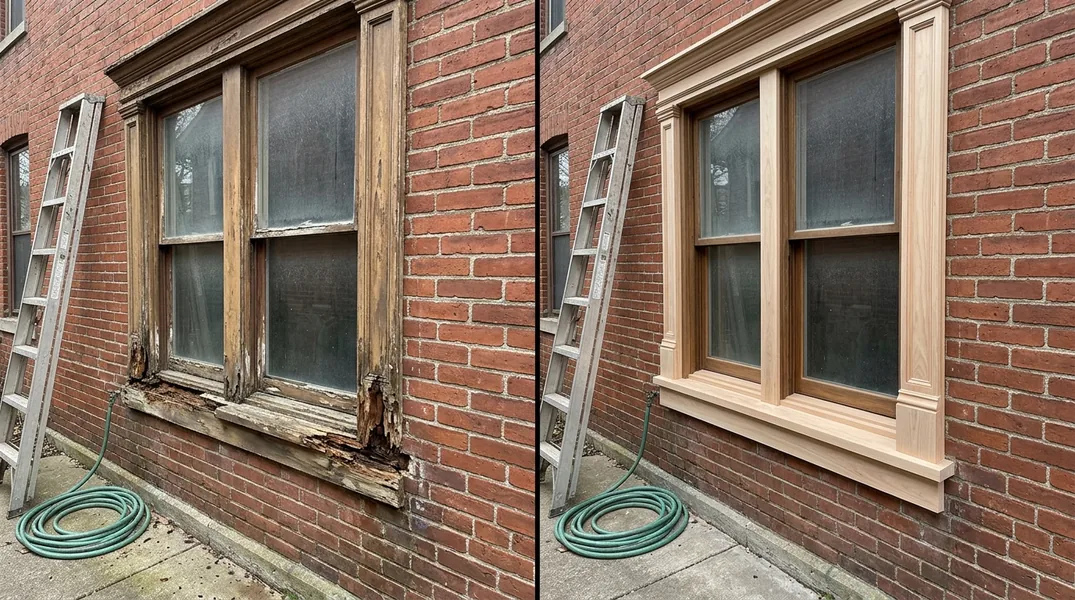
Why Fort Wayne's Climate Is Perfect for Wood Rot and Insect Problems
Fort Wayne homeowners face a unique challenge when it comes to protecting their homes from wood damage. The region's climate, characterized by high humidity, significant seasonal moisture fluctuations, and freeze-thaw cycles, creates an ideal breeding ground for both wood rot and destructive insects. Unlike drier climates where wood deterioration happens slowly, Fort Wayne residents must contend with conditions that accelerate decay and attract wood-eating pests year-round.
The problem is compounded by the fact that many homes in the area were built decades ago, before modern moisture barriers and pressure-treated lumber became standard. Older foundations, aging roof systems, and wood framing that lacks proper ventilation trap moisture against structural wood. When wood stays damp for extended periods, it becomes vulnerable to fungal decay. At the same time, that moist environment attracts termites, carpenter ants, and powder post beetles, all of which thrive in the humid Midwest. Understanding these regional factors is the first step toward protecting your investment.
Common Signs of Wood Rot in Your Fort Wayne Home
Recognizing signs of wood rot in house structures early can mean the difference between a simple repair and a costly structural overhaul. Wood rot typically starts in hidden areas where moisture accumulates: crawl spaces, basement rim joists, window frames, roof eaves, and areas around gutters. The earliest indicator is often a soft or spongy feeling when you press on wood with a screwdriver or awl. Rotted wood loses its structural integrity and becomes easy to penetrate, whereas healthy wood resists the tool.
Beyond the tactile test, look for visual warning signs. Discoloration, paint that peels or bubbles, wood that appears darker or lighter than surrounding areas, and visible fungal growth or mold are all red flags. You may also notice a musty smell in areas where wood rot is developing, particularly in basements and crawl spaces. If you spot any of these signs of wood rot in house conditions, it's important to have a professional inspect the area. What looks like surface damage may extend deep into structural members, and waiting only makes repairs more expensive.
Termite and Carpenter Ant Damage: Two Different Threats
Termite damage repair and carpenter ant remediation are among the most common services homeowners in this region need, yet many people confuse the two pests. Termites are the more destructive of the two. They consume wood as a food source, tunneling through structural members and leaving behind hollow galleries that weaken framing, joists, and beams. A termite infestation can cause significant structural damage in just a few years if left untreated. Carpenter ants, by contrast, don't eat wood; they excavate it to create nesting galleries. While this causes damage, it typically progresses more slowly than termite destruction.
Both pests thrive in the moist environment that Fort Wayne homes provide. Termites are attracted to wood that has already begun to rot, making wet basements and areas with poor drainage particularly vulnerable. Carpenter ants prefer moist wood but will nest in sound wood if moisture is present. Signs of carpenter ant damage include sawdust-like frass (insect droppings) around entry holes, hollow-sounding wood, and sometimes the ants themselves, which are large and black. If you suspect either type of infestation, professional pest control and structural repair are essential. Fort Wayne Carpentry works closely with pest control specialists to ensure that once insects are eliminated, damaged wood is properly repaired or replaced.
Water Intrusion: The Root Cause of Most Wood Damage
The vast majority of wood rot and insect problems in Fort Wayne homes trace back to one common culprit: water intrusion. Gutters that don't drain properly, downspouts that empty too close to the foundation, leaking roofs, cracked foundations, and poor grading around the home all allow moisture to reach structural wood. Once water penetrates, it creates the damp conditions that fungi need to grow and insects need to thrive. Addressing water intrusion is therefore the most important preventive step a homeowner can take.
Inspect your roof regularly for missing or damaged shingles, check that gutters are clean and sloped correctly, and ensure downspouts extend at least four to six feet from your foundation. Inside, look for signs of water staining on ceilings and walls, which indicate roof leaks or plumbing problems. Check basement walls and crawl space floors for moisture, efflorescence (white salt deposits), or standing water. If your foundation has cracks, water can seep through and saturate the rim joist and band board, which are common sites for both rot and insect damage. By controlling moisture, you eliminate the conditions that lead to wood damage and pest infestations.
Wood Rot and Insect Damage Repair: When to Call a Professional
If you've identified wood rot, termite damage, or carpenter ant damage in your home, professional assessment and repair are critical. Wood Rot & Dry Rot Repair requires not only removing the damaged wood but also identifying and fixing the moisture source that caused the problem in the first place. Similarly, Termite Damage Repair involves replacing compromised structural members and ensuring the infestation won't return. These are not DIY projects. Structural wood plays a critical role in holding your home together, and improper repairs can create safety hazards or lead to further damage.
Depending on the extent of the damage, you may need Floor Joist & Subfloor Repair if damage is concentrated in basement or crawl space framing, or even Beam Replacement & Load-Bearing Wall Removal if structural beams have deteriorated significantly. Fort Wayne Carpentry specializes in diagnosing the full scope of damage and creating a repair plan that addresses both the visible problem and its underlying cause. Contact Fort Wayne Carpentry at (260) 300-5243 to schedule a free estimate and learn exactly what your home needs.
Prevention: Your Best Defense Against Future Damage
The most cost-effective approach to wood damage is prevention. Once you understand why Fort Wayne homes are susceptible to rot and insect damage, you can take steps to reduce your risk. Start with moisture control: maintain gutters, extend downspouts away from the foundation, grade soil so water slopes away from your home, and ensure your crawl space or basement has adequate ventilation and drainage. Seal cracks in foundations and around windows and doors. Have your roof inspected annually, especially after severe weather. If you notice water stains or soft spots in wood, address them immediately rather than waiting for the problem to worsen.
Regular inspections are also crucial. Walk around your home's exterior twice a year, looking for signs of water damage, wood deterioration, or pest activity. Inside, check basements and crawl spaces for moisture, mold, or insect evidence. If you catch problems early, repairs are simpler and less expensive. Many homeowners find it worthwhile to have a professional inspection every few years, especially for older homes. Fort Wayne Carpentry can identify vulnerabilities before they become major problems. Whether you need preventive advice or urgent repair work, reach out to discuss your home's specific needs and get a clear understanding of pricing for the work involved.
Looking for a professional carpentry contractor in Fort Wayne? Fort Wayne Carpentry responds fast for all your carpentry needs.
Get a Free QuoteOur services: Wood Rot & Dry Rot Repair · Termite Damage Repair · Floor Joist & Subfloor Repair