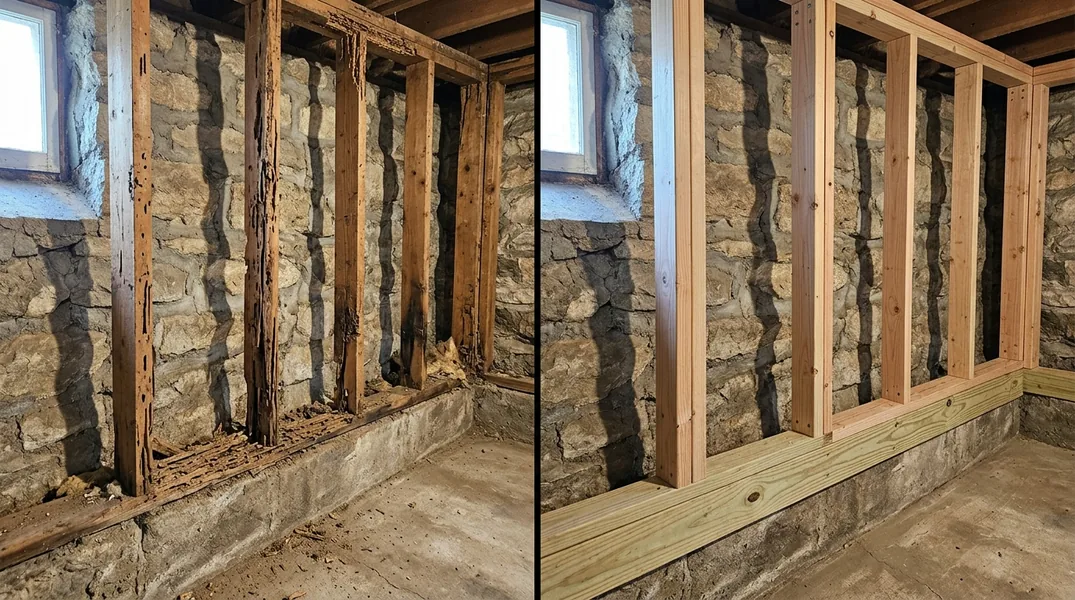
The Hard Truth: Termite Damage and Wood Rot Aren't Usually Covered
One of the most frustrating discoveries a homeowner can make is learning that their insurance won't pay for termite damage or wood rot repairs. If you're a homeowner in Fort Wayne facing structural damage from either of these issues, this reality can feel like a financial gut punch. The truth is straightforward: the vast majority of standard homeowners insurance policies explicitly exclude both termite damage and wood rot from coverage.
Insurance companies classify these types of damage as preventable maintenance issues rather than sudden, accidental events. From an insurer's perspective, homeowners have a responsibility to maintain their properties, inspect for pest problems, and address moisture issues before they become catastrophic. This distinction matters enormously when you're filing a claim, and understanding it can help you plan for repairs and avoid disappointment when you contact your insurance agent.
Why Insurance Companies Won't Cover Termite Damage
Termite damage falls into a category that insurance companies call an infestation or pest-related damage. Standard homeowners policies exclude coverage for damage caused by insects, rodents, and other pests as a matter of course. The reasoning is that infestations develop over time and are considered preventable through regular inspections and pest control measures. Because termites work slowly, destroying wood gradually over months or even years, insurers view this as a maintenance failure rather than a sudden loss.
Additionally, insurance is designed to cover unexpected events. A termite infestation isn't unexpected in the way that a lightning strike or a fallen tree is. Homeowners are expected to have their properties inspected periodically and to maintain pest control as part of normal home maintenance. If you suspect Termite Damage Repair is needed, the financial responsibility typically falls entirely on you. This is why getting a professional inspection and addressing the problem quickly is so important. The longer you wait, the more extensive and expensive the damage becomes.
Wood Rot Insurance Claims: Why They're Denied
Wood rot presents a similar insurance challenge, though the reasoning differs slightly. Most homeowners policies exclude coverage for wood rot because it results from moisture damage, which is typically not covered under standard policies. Water damage from a sudden event like a burst pipe might be covered, but gradual moisture intrusion leading to rot is not. Insurance companies argue that homeowners should maintain their roofs, gutters, siding, and drainage systems to prevent moisture from accumulating in the first place.
When Wood Rot & Dry Rot Repair becomes necessary, it's almost always because preventive maintenance was insufficient. Rotted wood develops when moisture persists in structural materials over an extended period. This could result from a leaky roof, poor ventilation, damaged siding, or foundation issues. Since these are all maintenance-related problems, your insurance company will likely deny any claim related to wood rot damage. The only exception might be if the rot resulted from a covered peril, such as damage caused by a fallen tree that then allowed water to enter, though even this is often disputed.
What Types of Damage Might Be Covered
While termite damage and wood rot themselves aren't covered, there are specific scenarios where your homeowners insurance might help with related structural damage. If a tree falls on your house and damages your roof, causing water to enter and eventually leading to rot, the initial tree damage might be covered. However, the resulting wood rot would still likely be excluded. Similarly, if a covered peril causes damage that creates the conditions for pest infestation, the insurer might cover the direct damage but not the infestation or subsequent wood damage.
Some policies include coverage for damage caused by certain events, such as vandalism or break-ins that compromise the home's integrity. If an intruder damages your siding or structure in a way that allows pests or moisture to enter, you might have a partial claim for the break-in damage, but not for the subsequent pest or rot damage. The key is to review your specific policy carefully and speak directly with your insurance agent about what is and isn't covered. Many homeowners are surprised to learn the limitations of their coverage, which is why understanding your policy before a problem occurs is essential.
What You Should Do If You Discover Damage in Your Fort Wayne Home
If you suspect termite damage or wood rot in your Fort Wayne home, your first step should be to get a professional assessment. Don't wait and hope the problem goes away. Termites and wood rot both worsen over time, and the longer you delay, the more expensive the repair becomes. A qualified carpenter or pest control professional can identify the extent of the damage and provide you with a clear picture of what needs to be done.
Once you understand the scope of the problem, contact your insurance company to discuss your policy. Even though coverage is unlikely, it's worth asking. Some policies have exceptions or special provisions you might not be aware of. After you've explored your insurance options, reach out to a local repair specialist who can provide you with an accurate assessment and free estimate for the work. Fort Wayne Carpentry has years of experience handling both Termite Damage Repair and wood rot issues, and we can help you understand your repair options and budget accordingly.
Planning for Repairs: Budget and Next Steps
Since you can't rely on insurance to cover termite or wood rot damage, planning for repairs requires a different approach. First, get multiple professional inspections and estimates. This gives you a realistic sense of the repair costs and allows you to compare approaches. Some repairs are straightforward, while others involving structural elements like Floor Joist & Subfloor Repair or Beam Replacement & Load-Bearing Wall Removal can be more complex and expensive.
Once you have estimates, consider your options. Some homeowners tackle repairs immediately to prevent further damage, while others prioritize based on severity and budget constraints. It's important to understand that delaying repairs almost always increases costs. A small area of wood rot that costs $2,000 to repair today might become a $10,000 problem in two years if left untouched. Similarly, a termite colony discovered early can be treated and contained, but an established infestation can compromise the structural integrity of your entire home. Contact Fort Wayne Carpentry at (260) 300-5243 to discuss your situation and get a professional recommendation on the best path forward.
Looking for a professional carpentry contractor in Fort Wayne? Fort Wayne Carpentry responds fast for all your carpentry needs.
Get a Free QuoteOur services: Wood Rot & Dry Rot Repair · Termite Damage Repair · Floor Joist & Subfloor Repair